What Does “Made in USA” Actually Mean? The FTC Rule, Explained
A plain-English guide to the FTC's “all or virtually all” standard, qualified claims like “Assembled in USA,” and the 2026 enforcement sweep with $867,743 in redress.
Key takeaways
- An unqualified “Made in USA” claim must mean “all or virtually all” of the product is made in the U.S.: final assembly, all significant processing, and all or virtually all parts made and sourced in the U.S.
- Claims can be implied as well as stated. U.S. flags, maps and other American symbols can count as a Made in USA claim, depending on context.
- Since August 2021, the Made in USA Labeling Rule (16 CFR Part 323) lets the FTC seek civil penalties for false claims on labels and in mail-order and online promotional materials.
- In April 2026, the FTC announced three cases with combined consumer redress of $867,743, led by $625,000 from TouchTunes. In July it sent warning letters to seven more companies.
"Made in USA" is one of the few marketing claims backed by a specific federal standard. It isn't a vague feeling of American-ness. It has a defined meaning, the Federal Trade Commission enforces it, and companies have paid real money for getting it wrong. Here's what the rule says, how to read qualified labels, and what the FTC has been doing about it in 2026.
What does “Made in USA” mean under FTC rules?
The FTC's standard is short: a product advertised or labeled as "Made in USA" without qualification must be "all or virtually all" made in the United States. In its business guidance, the FTC explains that this means:
- final assembly or processing of the product takes place in the U.S.;
- all significant processing that goes into the product takes place in the U.S.; and
- all or virtually all ingredients or components of the product are made and sourced in the U.S.
In practice, a product should contain no more than a negligible amount of foreign content. The FTC considers how much of the total manufacturing cost comes from U.S. parts and processing, and how far removed any foreign content is from the finished product.
The guidance includes examples. A watch assembled in the U.S. around a Swiss movement can't make an unqualified claim, because the movement is a significant part of the watch. A gold ring made in the U.S. from imported gold also falls short, because the gold is a large part of the ring's value.
Can a flag or map count as a Made in USA claim?
Yes. Claims don't have to say the words "Made in USA." The FTC notes that U.S. symbols or geographic references, such as flags, outlines of the United States or references to American heritage, can communicate a U.S.-origin claim depending on the context. That's why the overall impression of a label or product page matters, not only its exact wording.
The same principle applies online. Product listings, website copy and social posts are all advertising. A stars-and-stripes badge next to an imported product can be just as misleading as a printed false label.
What are qualified claims like “Assembled in USA”?
A product that doesn't meet the "all or virtually all" bar can still tell you about its American content, as long as the claim is qualified clearly and accurately. Common examples:
- "Made in USA of U.S. and imported parts."
- "Assembled in USA", which requires that the product was substantially transformed in the U.S. Simple "screwdriver" assembly of a few imported parts doesn't qualify.
- A specific statement such as "Couch frame made in USA from imported wood."
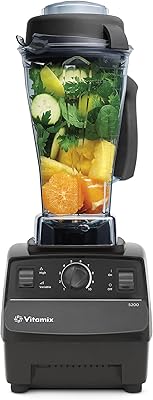
Qualified claims are honest and useful. In our own directory, a handful of products carry qualified origins. Vitamix's 5200 blender, for example, is listed as “Assembled in the USA,” the maker's own qualified claim, and Community Coffee is listed as “Roasted in the USA” (in Louisiana) rather than “Made in USA.” Products whose origin we can't confirm are marked "Origin under review." See how we verify listings.


Community Coffee
Community Coffee Breakfast Blend Ground Coffee, 72 oz
Roasted in LA
See price on AmazonIs a false Made in USA claim illegal?
A false or unsupported U.S.-origin claim is a deceptive practice under Section 5 of the FTC Act. For years, the FTC enforced the standard mostly through its 1997 Enforcement Policy Statement. In August 2021, the Made in USA Labeling Rule (16 CFR Part 323) took effect. It codified the "all or virtually all" standard for labels and for claims in mail-order catalogs and mail-order promotional materials, including those distributed online. The main change is that the FTC can now seek civil penalties for violations, in addition to stopping the conduct and getting money back for consumers.
Other laws apply to specific product types:
- Textiles and wool must disclose their country of origin under the Textile and Wool Acts. A garment can say "Made in USA" only if it is made in the U.S. from U.S. materials. Otherwise it needs wording like "Made in USA of imported fabric."
- New cars must show U.S. and Canadian parts content on a label under the American Automobile Labeling Act.
- Government purchasing under the Buy American Act and related rules uses separate content thresholds. Those don't change what a consumer "Made in USA" label means.
What did the FTC do about fake Made in USA claims in 2026?
On April 14, 2026, the FTC announced a "Made in the USA" sweep with three law enforcement actions. The agency linked the sweep to a March 2026 Executive Order titled "Ensuring Truthful Advertising of Products Claiming to be made in America."
Consumer redress in the FTC's April 2026 Made in USA cases
Amount each company agreed to pay, U.S. dollars
Combined total: $867,743. The FTC also sent closing letters to Marketing Holders and Lamar Trailers.
Source: FTC press release, April 14, 2026
View the data
| Label | Value |
|---|---|
| TouchTunes | $625,000 |
| Americana Liberty / Three Nations | $167,743 |
| Oak Street Bootmakers | $75,000 |
- TouchTunes agreed to pay $625,000 in consumer redress. The FTC alleged that the company's electronic dartboards were marketed as U.S.-made even though they used imported chips, cameras and monitors. According to the FTC, this is the largest amount in a case under the Made in USA Labeling Rule to date.
- Americana Liberty and Three Nations agreed to $167,743 in redress.
- Oak Street Bootmakers agreed to $75,000. The FTC alleged that its footwear used uppers made in the Dominican Republic and outsoles from Brazil, and that some of it was assembled abroad.
The FTC also sent closing letters to Marketing Holders and Lamar Trailers.
On July 6, 2026, the FTC sent warning letters to seven companies: A&F Drum, Z-Tech, Vtron, Helmel, NebTech, Lucky Bar and My Vape Order. It sent a separate letter about a "Made in Texas" claim, which shows that state-of-origin claims get scrutiny too.
How can you check a Made in USA claim yourself?
A few habits will catch most problems:
- Read the exact wording. "Made in USA," "Assembled in USA," "Designed in USA" and "American-owned" mean different things. Only the first is an unqualified origin claim.
- Look at the whole listing. Flags and patriotic graphics aren't evidence. The country-of-origin field and the maker's own statement are.
- Check the maker's website. Established American manufacturers usually say where they make things, often down to the city.
- Watch for mixed product lines. Many brands make some products in the U.S. and import others, so check the specific item.
- Report claims that look false at ReportFraud.ftc.gov.
Our step-by-step guide to verifying American-made products goes further, and our Made in USA explainer covers the rule in more detail.
Why does the standard matter?
The FTC frames these cases as protecting both shoppers and honest businesses. Companies that actually build products in the U.S. often pay more for labor and materials. When a competitor puts a false American label on cheaper imported goods, it takes sales from the companies that did the work. A clear standard that's actually enforced keeps "Made in USA" worth paying attention to.
Sources
- Complying with the Made in USA StandardFederal Trade Commission, July 2024
- 16 CFR Part 323: Made in USA Labeling RuleElectronic Code of Federal Regulations
- FTC Announces “Made in the USA” Sweep, Including Three Law Enforcement Actions to Protect American Consumers and BusinessesFederal Trade Commission, April 14, 2026
- FTC Warns Companies Making Questionable Made in USA ClaimsFederal Trade Commission, July 6, 2026