Which Everyday Products Are Hardest to Find Made in the USA? (And Where to Still Look)
Clothing, shoes, textiles, electronics and furniture are the hardest everyday goods to find made in the USA. Federal job data shows why, and where U.S. makers remain.
Key takeaways
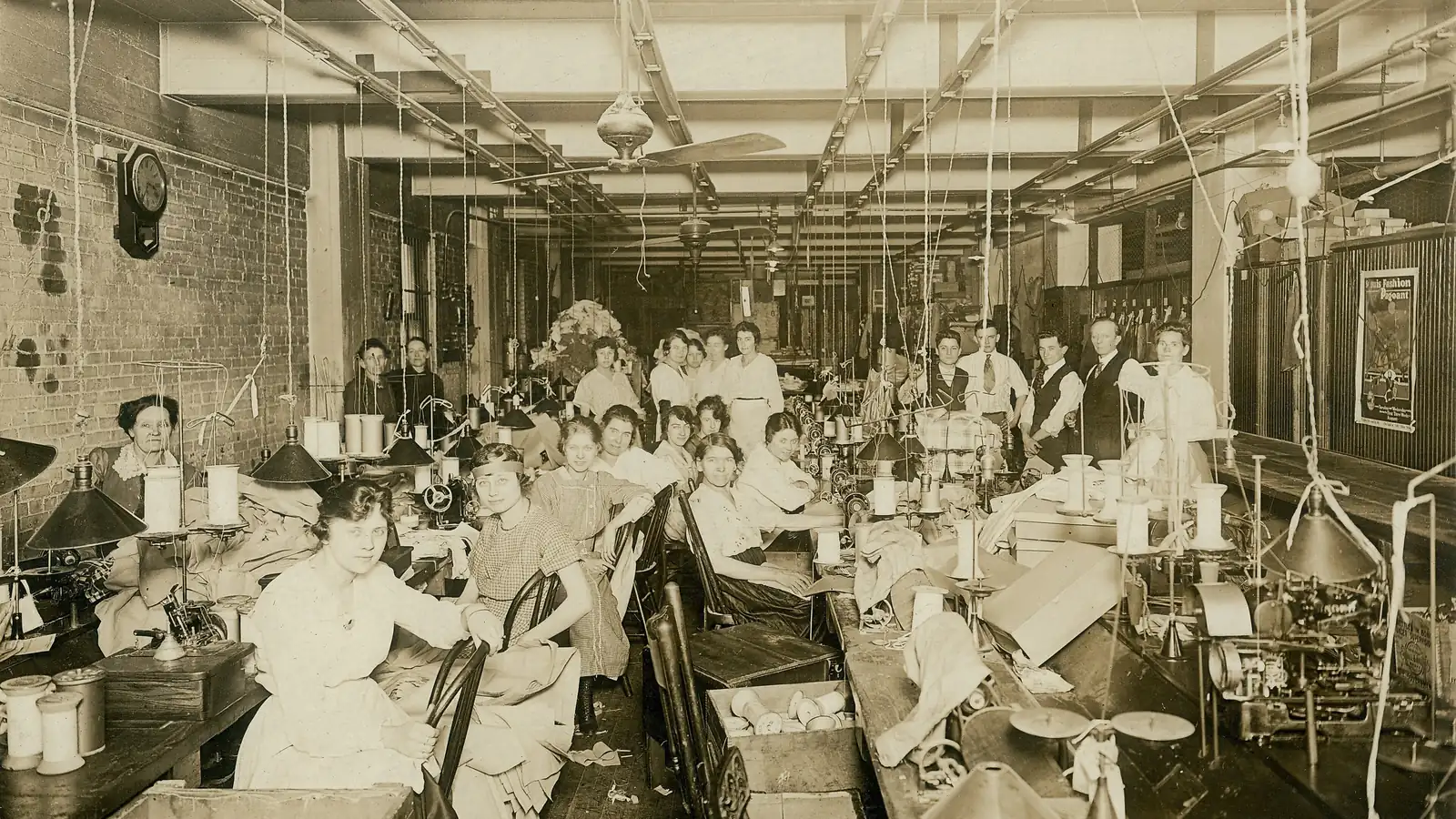
- Clothing is the hardest category. U.S. apparel manufacturing employment fell from 938,600 in January 1990 to about 71,200 in October 2026, a drop of roughly 92%, according to BLS data published by FRED.
- Fabrics, home textiles, electronics and furniture are next. Textile mill jobs are down about 85%, textile product mills about 62%, computer and electronic products about 48% and furniture about 47% over the same period.
- Food is the easy win. Food manufacturing is one of the few factory sectors that grew, from 1.51 million jobs to about 1.77 million (up roughly 17%).
- In hard categories, shop by specialist maker, not by store aisle: sock mills, boot factories, wool outfitters and toy makers that still name their U.S. factory town.
The hardest everyday products to find made in the USA are clothing, fabrics and home textiles, consumer electronics and furniture. Those are the industries that shrank the most in this country over the past three and a half decades. Groceries are the opposite. Food manufacturing actually added jobs, which is why a pantry full of American-made goods is easy and a closet full of them takes work.
This guide uses federal employment data to show where U.S. production thinned out, then points you to the makers that still produce in each hard category, with links to products in our directory that cite where they're made.
Why are some products so hard to find made in the USA?
A product is hard to find made here when few U.S. factories still make it. Factory employment is one of the clearest public measures of that. The Bureau of Labor Statistics (BLS) counts jobs by industry every month, and the Federal Reserve Bank of St. Louis publishes the series on FRED.
Total U.S. manufacturing employment fell from 17.8 million in January 1990 to about 12.7 million in October 2026, a decline of roughly 29%. Automation explains part of that: factories produce more with fewer people (see why U.S. factories make more with fewer workers). But the drop was far steeper in some industries than others, and those are the aisles where "Made in USA" tags became rare.
U.S. factory jobs by industry, January 1990 vs. October 2026
All employees, seasonally adjusted, thousands (October 2026 preliminary)
January 1990October 2026
Thousands of jobs. October 2026 values are preliminary and may be revised. Change: food +17.4%, computers and electronics -48.0%, apparel -92.4%, furniture -46.6%, textile mills -84.6%, textile product mills -61.8%. All manufacturing: 17,797 to 12,681 (-28.7%).
View the data
| Industry | January 1990 | October 2026 |
|---|---|---|
| Food | 1,508.4 k | 1,771.0 k |
| Computers & electronics | 1,940.4 k | 1,008.3 k |
| Apparel | 938.6 k | 71.2 k |
| Furniture | 616.9 k | 329.5 k |
| Textile mills | 503.3 k | 77.7 k |
| Textile product mills | 243.5 k | 93.0 k |
Which products are hardest to find made in the USA?
Ranked by how much U.S. employment fell between January 1990 and October 2026:
- Clothing (apparel manufacturing): down about 92%. From 938,600 jobs to about 71,200. Cut-and-sew garments are labor-intensive, and most of that work left the country. T-shirts, jeans, dresses and outerwear are the hardest everyday buys.
- Fabrics and yarn (textile mills): down about 85%. From 503,300 to about 77,700. Even a garment sewn in the U.S. may use imported fabric, which matters for the FTC's strict standard (more on that below).
- Home textiles (textile product mills): down about 62%. This industry covers items such as curtains, linens, towels and carpets. Jobs fell from 243,500 to about 93,000.
- Electronics (computer and electronic products): down about 48%. From 1.94 million to about 1.01 million. Much of what remains is high-value work like semiconductors, instruments and defense electronics, not phones, laptops or TVs.
- Furniture: down about 47%. From 616,900 to about 329,500. Solid-wood and upholstered furniture is still made here, but often by smaller regional shops.
Where can you still find American-made clothing and shoes?
Skip the mall rack and go to specialist makers that name their factory town. A few in our directory:
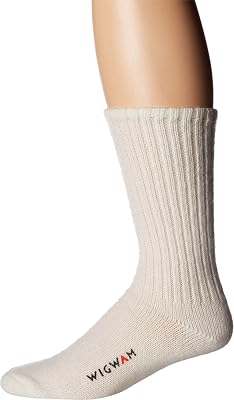
- Socks: Wigwam knits its 625 wool crew socks in Sheboygan, Wisconsin, and Darn Tough makes its hiker crew socks in Northfield, Vermont. Socks are one of the best-supplied clothing categories, as our story on American-made socks and the U.S. textile industry explains.
- Work boots: Thorogood makes its 6-inch moc-toe boot in Merrill, Wisconsin.
- Outerwear: Filson has made outdoor clothing in Seattle since 1897, including its Mackinaw wool cruiser.
- Winter hats: Stormy Kromer sews caps such as the Waxed Sidekick in Ironwood, Michigan, and says it uses globally sourced materials. That's an honest, qualified claim worth noting.
Check the label on the exact item you buy, because many brands sell both U.S.-made and imported lines. Our guide to reading a clothing label covers country-of-origin tags and RN numbers. See the full ranked American-made apparel and boots list and the apparel category.


How do you find American-made electronics and appliances?
Fully American-made consumer electronics are rare, so expect qualified claims. Look for "Assembled in USA", which means the final assembly happened here but some parts were imported. A good example in our directory is Vornado, whose 733DC air circulator fan is assembled in Andover, Kansas.
Small appliances with heavy motors and metal housings are a better bet than gadgets. Two examples from Ohio: Vitamix assembles and tests its blenders, including the Vitamix 5200, in Olmsted Township with some globally sourced components, and Whirlpool says its Greenville plant produces KitchenAid stand mixers. Browse the home and kitchen category and the best American-made kitchen and cookware list.
What about toys, furniture and home goods?
Toys follow the same pattern as electronics. Most are imported, but a few classics are still made here:
- Uncle Goose makes ABC wooden blocks from basswood in Grand Rapids, Michigan.
- The original metal Slinky is made in Hollidaysburg, Pennsylvania.
- Little Tikes molds its Cozy Coupe in Hudson, Ohio.
See the ranked best American-made toys and games. For furniture, the best approach is local: search for a solid-wood maker or upholsterer in your state, and ask where the frame, fabric and foam come from. Buying from a nearby workshop also keeps more of your money in your community (see why buying local matters).
Which American-made products are easiest to find?
Food is the easy win. Food manufacturing employment grew from 1.51 million in January 1990 to about 1.77 million in October 2026, up roughly 17%, one of the few factory sectors that grew. Every state has its own snack, sauce, coffee and candy makers, and our best American-made snacks, candy and treats and pantry staples and sauces lists are among the biggest on the site.
Cast iron and bakeware are another easy category. See American-made cast iron and the American-made kitchen starter kit.
How can you tell if a product is really made in the USA?
In the hard categories, mislabeling and vague wording are more common, so check the claim. Under the FTC's Made in USA Labeling Rule (16 CFR Part 323), an unqualified "Made in USA" claim means final assembly or processing happens in the U.S., all significant processing happens here, and all or virtually all ingredients or components are made and sourced here.
Three quick checks:
- Read the exact wording. "Made in USA," "Made in USA with imported materials" and "Assembled in USA" mean different things.
- Find the factory town. A real U.S. maker usually names its plant on its own website.
- Watch for "designed in" or "based in." Neither describes where the product was made.
For a step-by-step walkthrough, read how to verify Made in USA products and what Made in USA means under the FTC rule. You can also browse makers by state on our state pages or start from all best-of lists.
The bottom line
The products hardest to find made in the USA are the ones U.S. factories largely stopped making: clothing, fabrics, home textiles, consumer electronics and furniture. They're not impossible to find, though. Shop by maker instead of by aisle, accept honest qualified claims like "Assembled in USA," and save the easy wins, such as food, cookware and local goods, for everyday spending.
The American-Made Edit
Enjoyed this? Get the American-Made Edit
New verified American-made finds and Made in USA news by email, a few times a month.
You’re on the list.
Thanks for subscribing. Look for The American-Made Edit in your inbox; you can unsubscribe from any email.
Sources
- All Employees, Apparel Manufacturing (CES3231500001)U.S. Bureau of Labor Statistics via FRED, Federal Reserve Bank of St. Louis, accessed November 7, 2026
- All Employees, Textile Mills (CES3231300001)U.S. Bureau of Labor Statistics via FRED, Federal Reserve Bank of St. Louis, accessed November 7, 2026
- All Employees, Textile Product Mills (CES3231400001)U.S. Bureau of Labor Statistics via FRED, Federal Reserve Bank of St. Louis, accessed November 7, 2026
- All Employees, Computer and Electronic Products (CES3133400001)U.S. Bureau of Labor Statistics via FRED, Federal Reserve Bank of St. Louis, accessed November 7, 2026
- All Employees, Furniture and Related Products (CES3133700001)U.S. Bureau of Labor Statistics via FRED, Federal Reserve Bank of St. Louis, accessed November 7, 2026
- All Employees, Food Manufacturing (CES3231100001)U.S. Bureau of Labor Statistics via FRED, Federal Reserve Bank of St. Louis, accessed November 7, 2026
- All Employees, Manufacturing (MANEMP)U.S. Bureau of Labor Statistics via FRED, Federal Reserve Bank of St. Louis, accessed November 7, 2026
- 16 CFR Part 323, Made in USA LabelingElectronic Code of Federal Regulations (Federal Trade Commission rule), accessed November 7, 2026